
Discuss a site, project or programme
If you are working with a data gap, process uncertainty or decision that needs better evidence, talk to Bi-Zen about a focused monitoring approach.
If you are working with a data gap, process uncertainty or decision that needs better evidence, talk to Bi-Zen about a focused monitoring approach.
These case studies show how Bi-Zen has helped clients answer specific wastewater questions across sites, projects and wider programmes. Each example sets out the evidence gap, Bi-Zen's response, what became clearer and the decision or action informed.
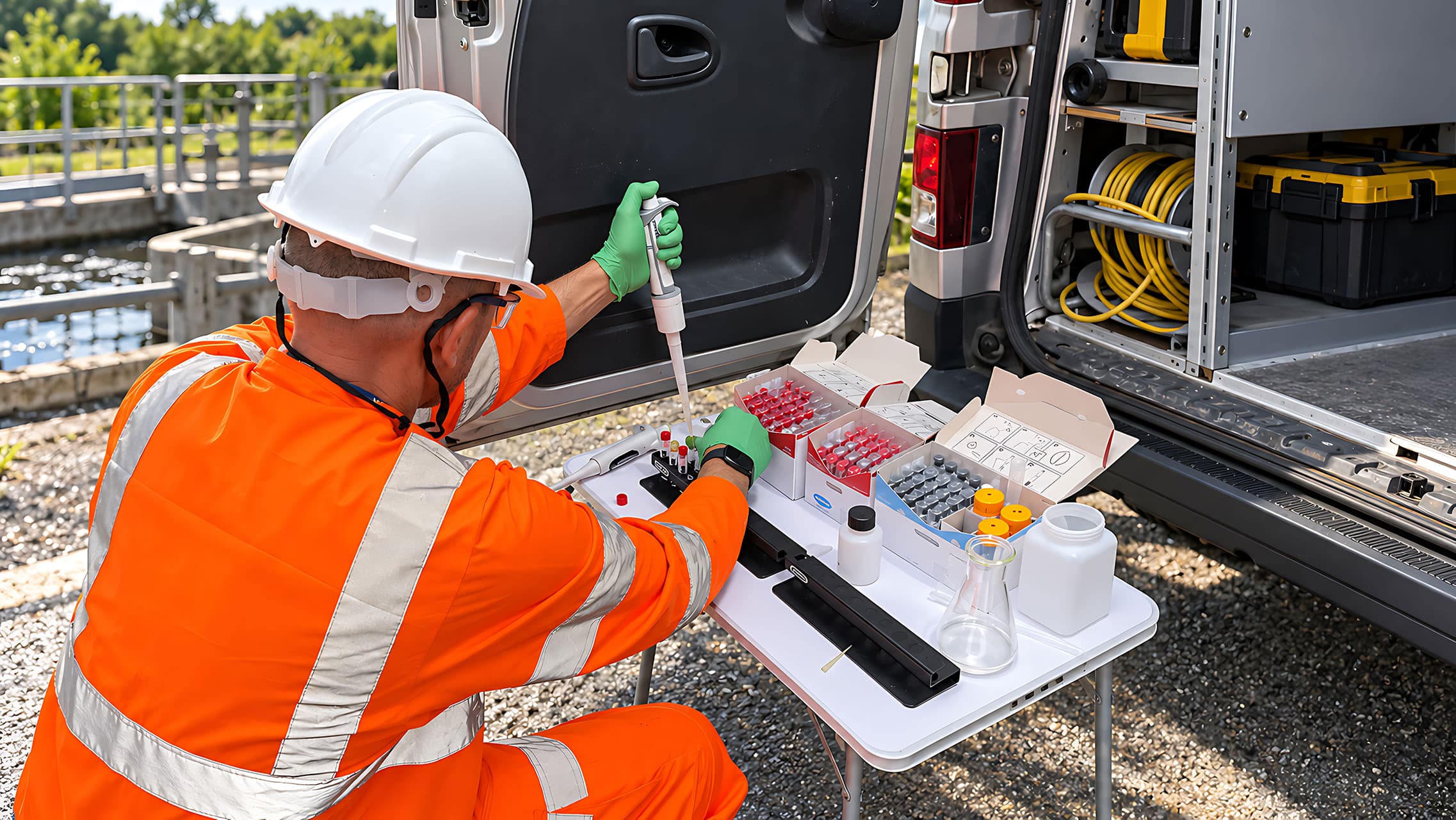
At a large wastewater works, calibrated sensors and fresh onsite checks followed a consistent pattern, while some transported nitrogen and COD results differed. A later comparison raised the same question: final-effluent results aligned, but active mixed-liquor results did not. BI-Zen combined process trends, duplicate onsite tests and accredited analysis to define a controlled next step before conflicting evidence influenced operational, design or investment decisions.
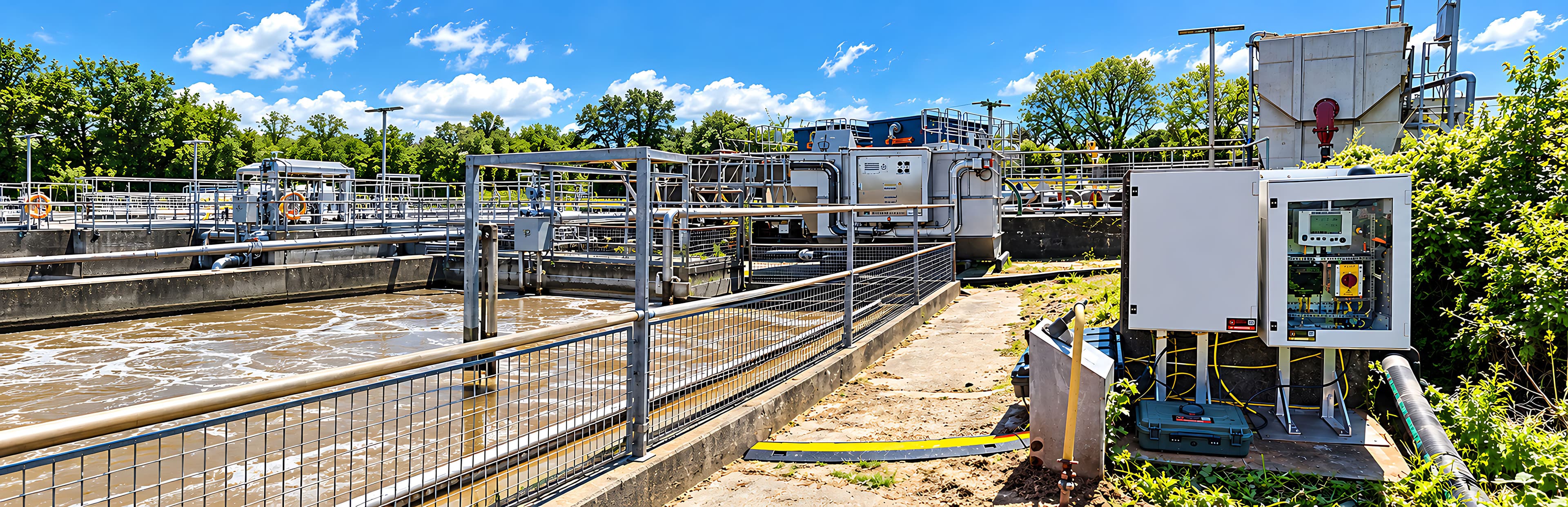
At a 10,000 PE works, upgraded solids separation was producing very low final-effluent turbidity, but the remaining phosphorus was predominantly soluble. With permanent analysers on long lead times, BI-Zen rapidly deployed temporary Optimisers and specialist nutrient monitoring. Two-minute data and live dashboards gave the commissioning team a faster way to review chemical dosing, verify process response and watch for conditions that could affect nitrification.
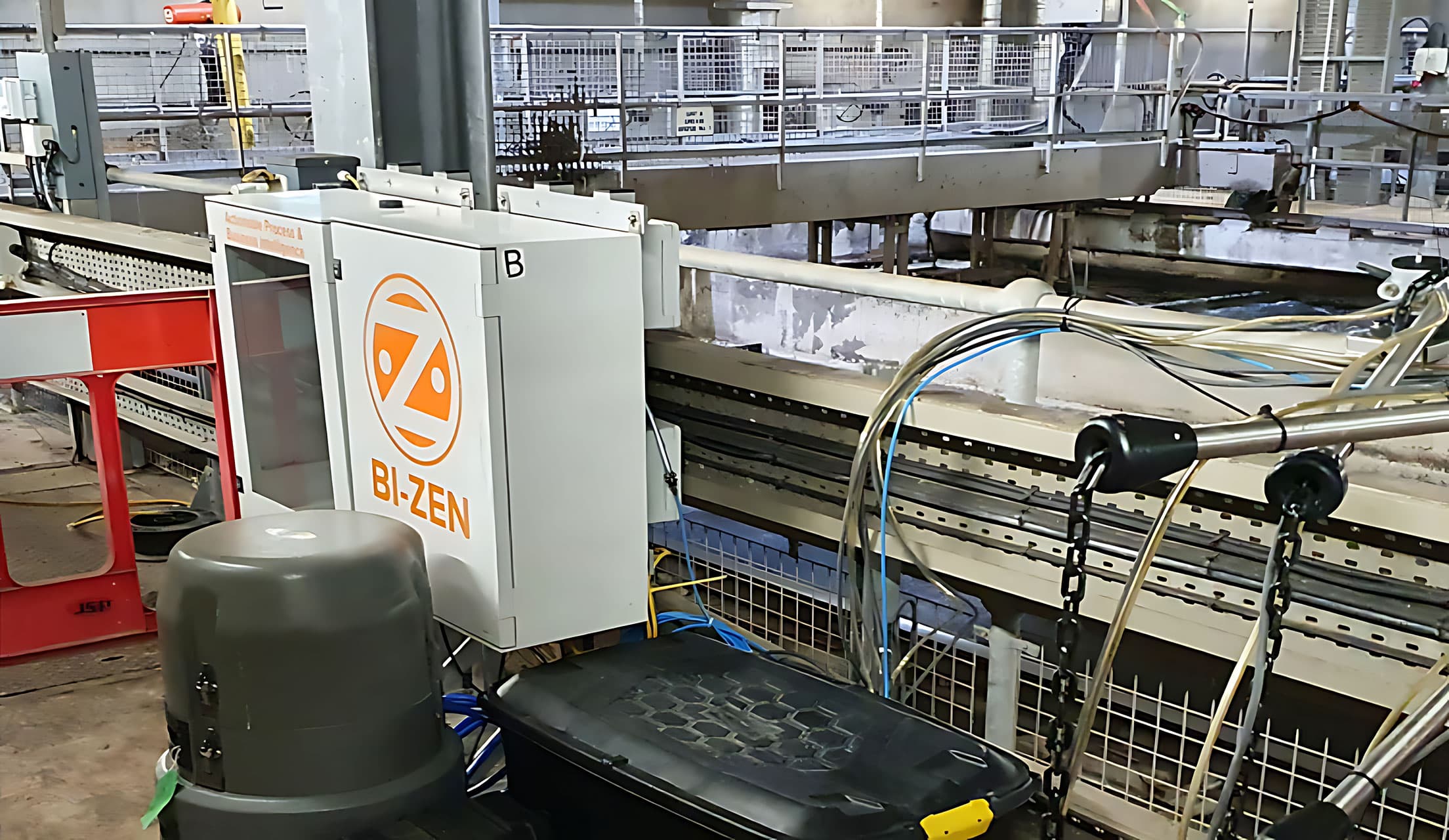
BI-Zen deployed temporary Optimisers at the inlets to two large works within one catchment. High-frequency evidence established current loading profiles, quantified saline infiltration and tested the effect of digestate return liquors. At one works, the measured basis indicated a potential reduction of around 20% against historical values, allowing design assumptions to be reviewed before the rationalisation option progressed.
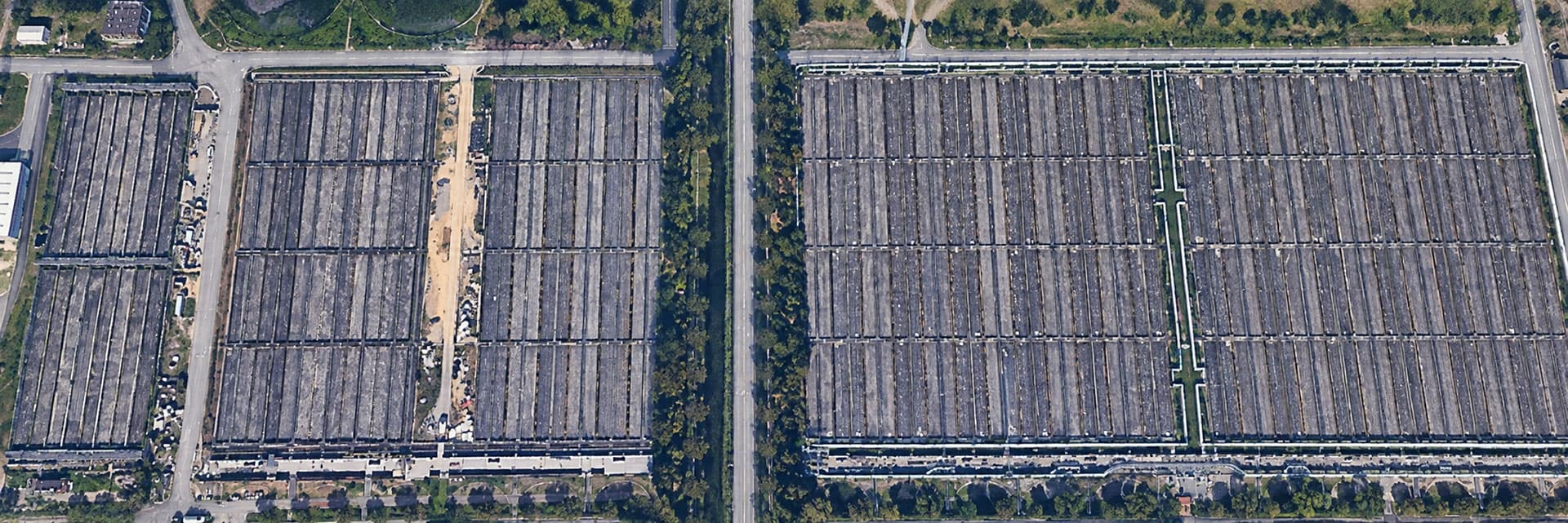
Temporary Optimisers compared settled-sewage composition across two process batteries before moving to an existing anoxic zone. Minute-level trends showed that Battery C received less soluble carbon relative to ammonium and behaved differently from the reference battery, prompting the project team to reconsider a conventional anoxic zone design and take a wider systems approach.
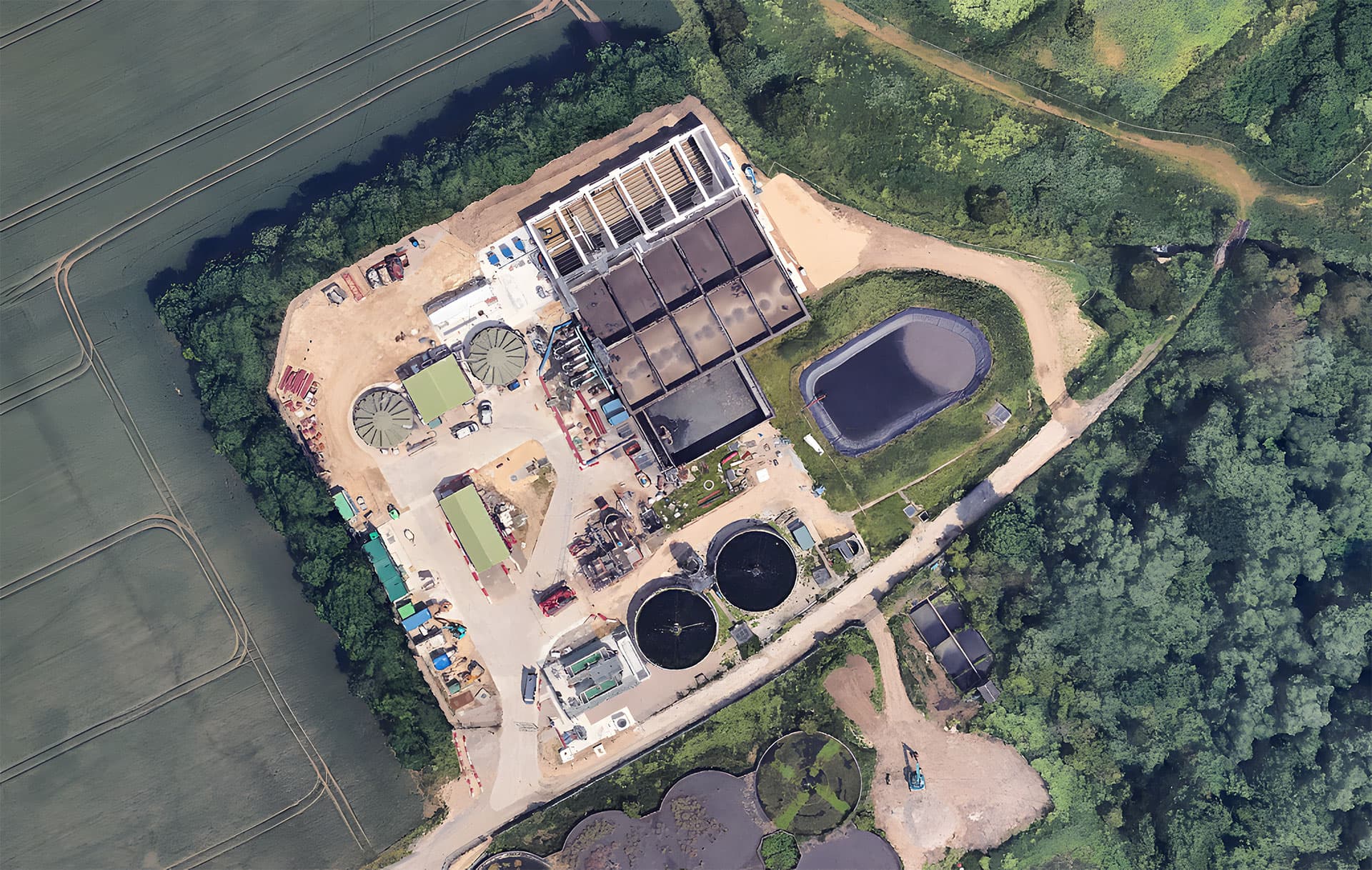
To inform site rationalisation and future design, BI-Zen monitored crude-sewage loading and SBR outlet performance. Live, high-frequency evidence captured repeated solids breakthrough during specific decant cycles and focused investigation on a sealing valve letting by. The team could address the maintenance issue before considering larger process or capital changes.
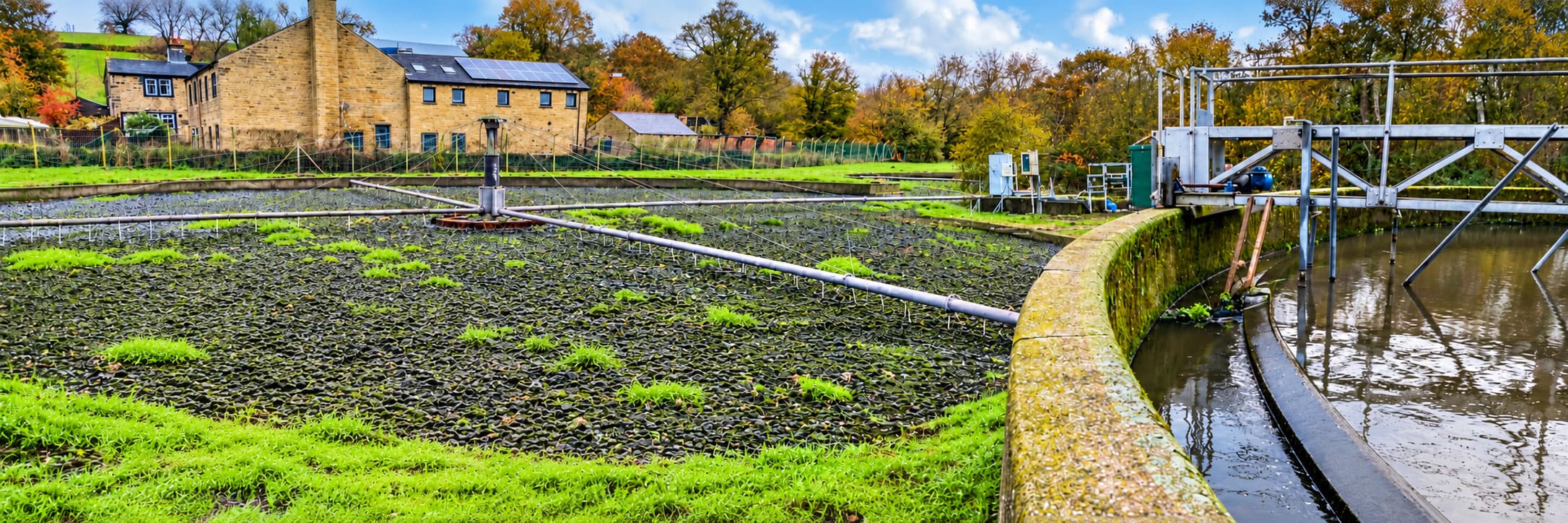
A two-week digital monitoring and sampling programme showed where the biological filter works was underperforming and where process headroom remained. The project team used the evidence to target operational and maintenance interventions and reduce the promoted capital solution from £6.76m to an estimated £1.6m.
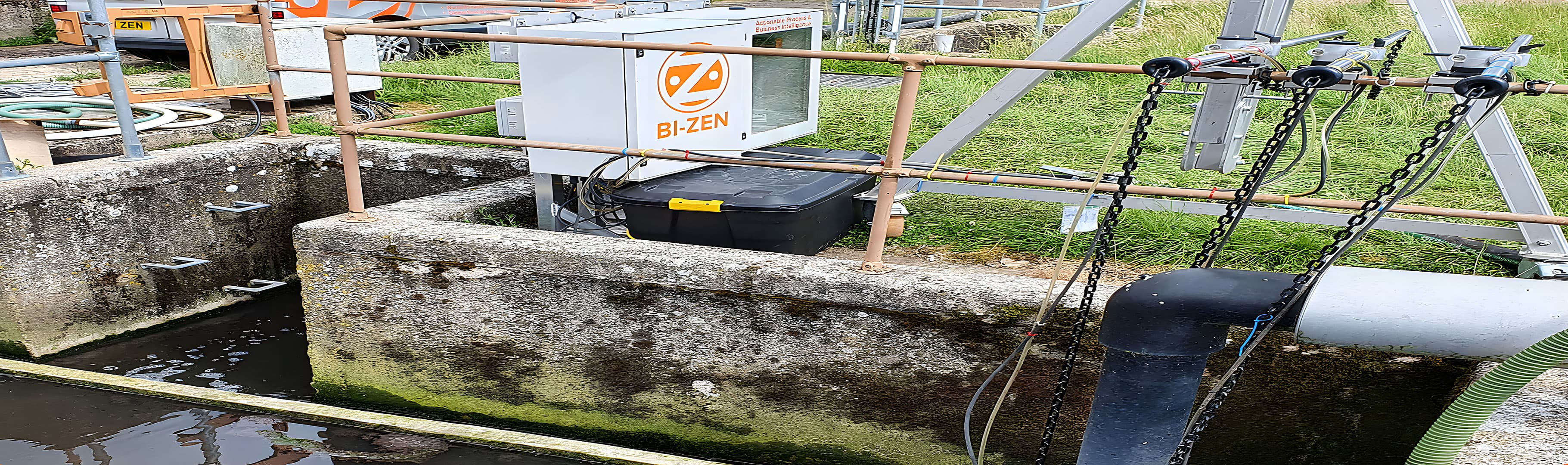
At a 2,826 PE biological filter works, BI-Zen monitored a controlled increase in recirculation and filter wetting using one-minute data at the humus-tank outlet. Live evidence exposed short morning ammonia peaks that periodic samples could miss and helped the project team test hydraulic options before assuming that a major media upgrade was required.
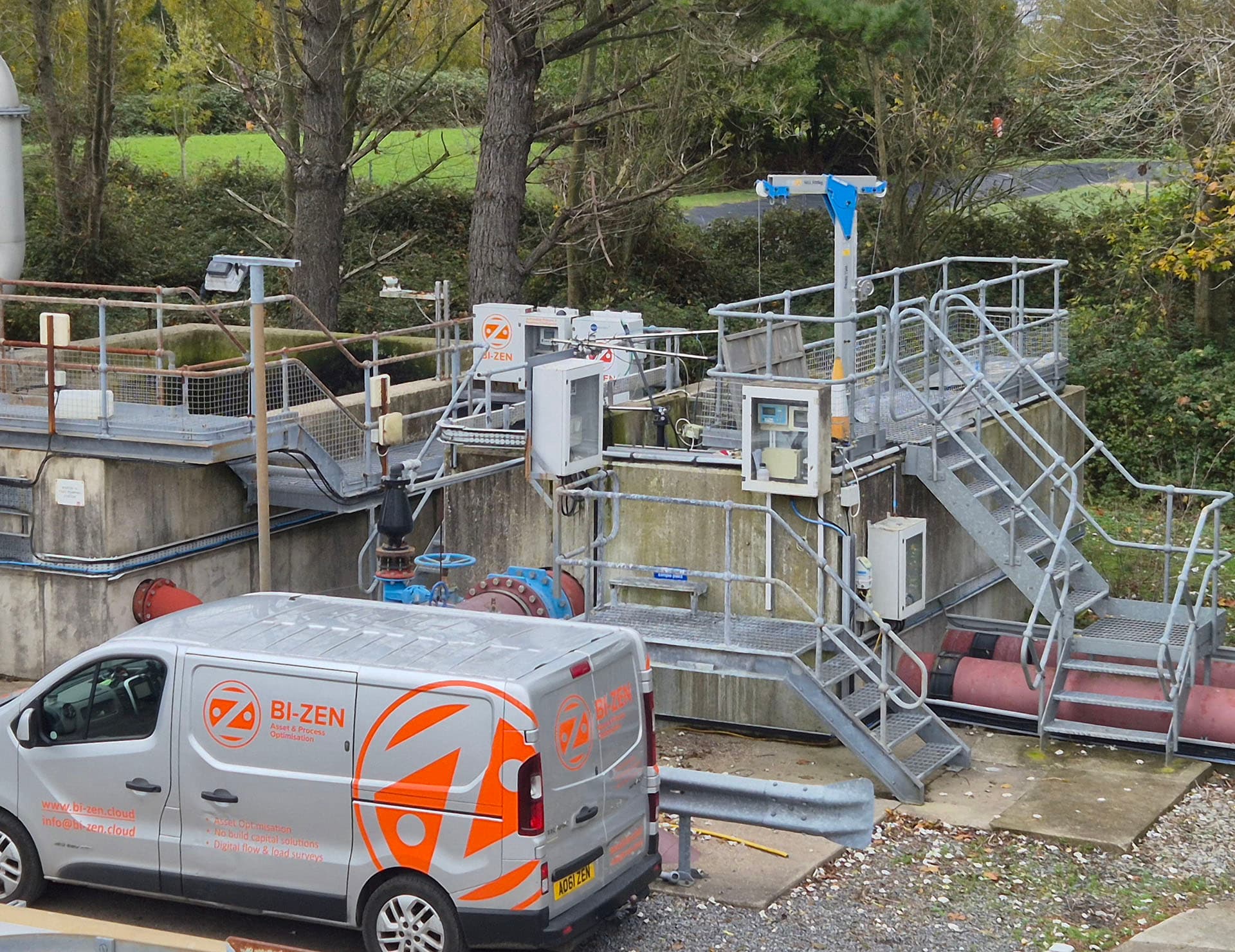
A medium to large wastewater treatment works, that included region sludge treatment, had experienced pollution failures and required sustained reactive intervention. BI-Zen helped operations, process science and ICA use a systems-thinking approach to test historic assumptions and close evidence gaps with live Optimiser data. The collaborative work identified the conditions behind instability, supported rapid operational and control changes, and helped recover more stable performance without a major capital intervention.
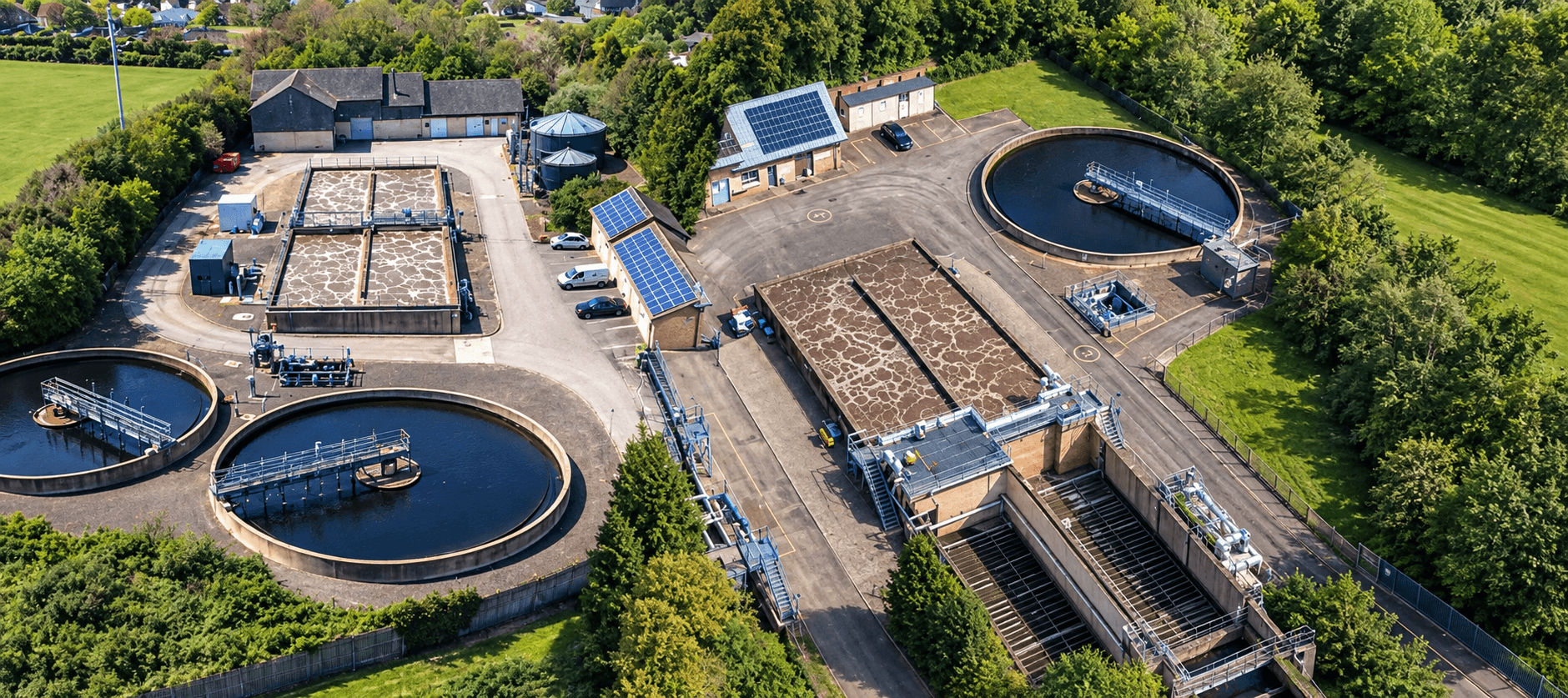
N₂O has 273 times the 100-year warming impact of CO₂, and recent UK water-sector reporting changes have raised the importance of understanding when wastewater processes generate it. Across two comparable carbonaceous asps, bi-zen’s optimisers have connected changing load, aeration and treatment response with dissolved n₂o to reveal when unintended nitrification developed and inform an approach that could scale across a wider asset portfolio.
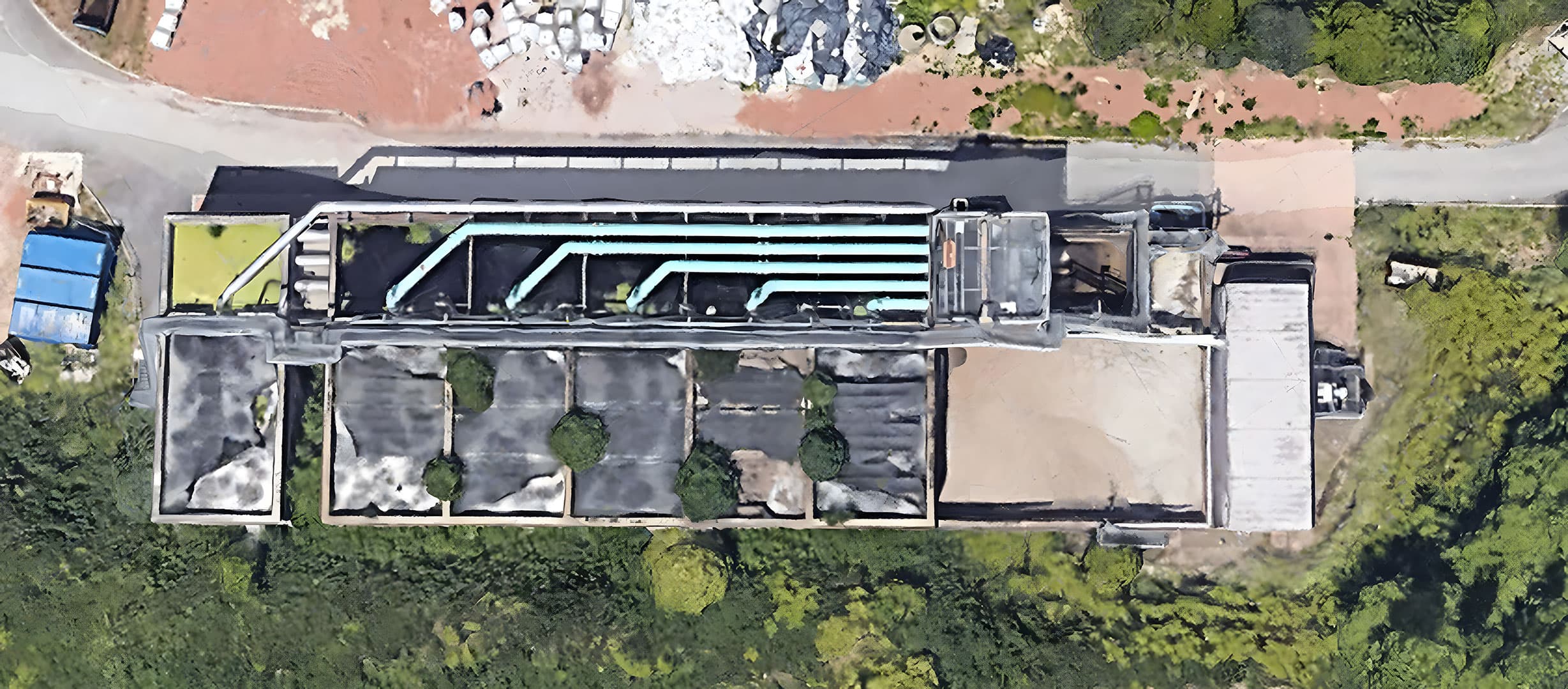
South West Water, Jacobs and BI-Zen combined fixed dissolved N₂O monitoring, a settled-sewage Optimiser and a mobile floating profiling rig across three activated sludge lanes. High-frequency evidence established an ASP baseline, revealed lane-to-lane variation and focused the next stage of investigation.