
Decision question
When a result conflicts with the wider process evidence, could sample fraction, preparation, preservation or elapsed time be influencing the comparison?

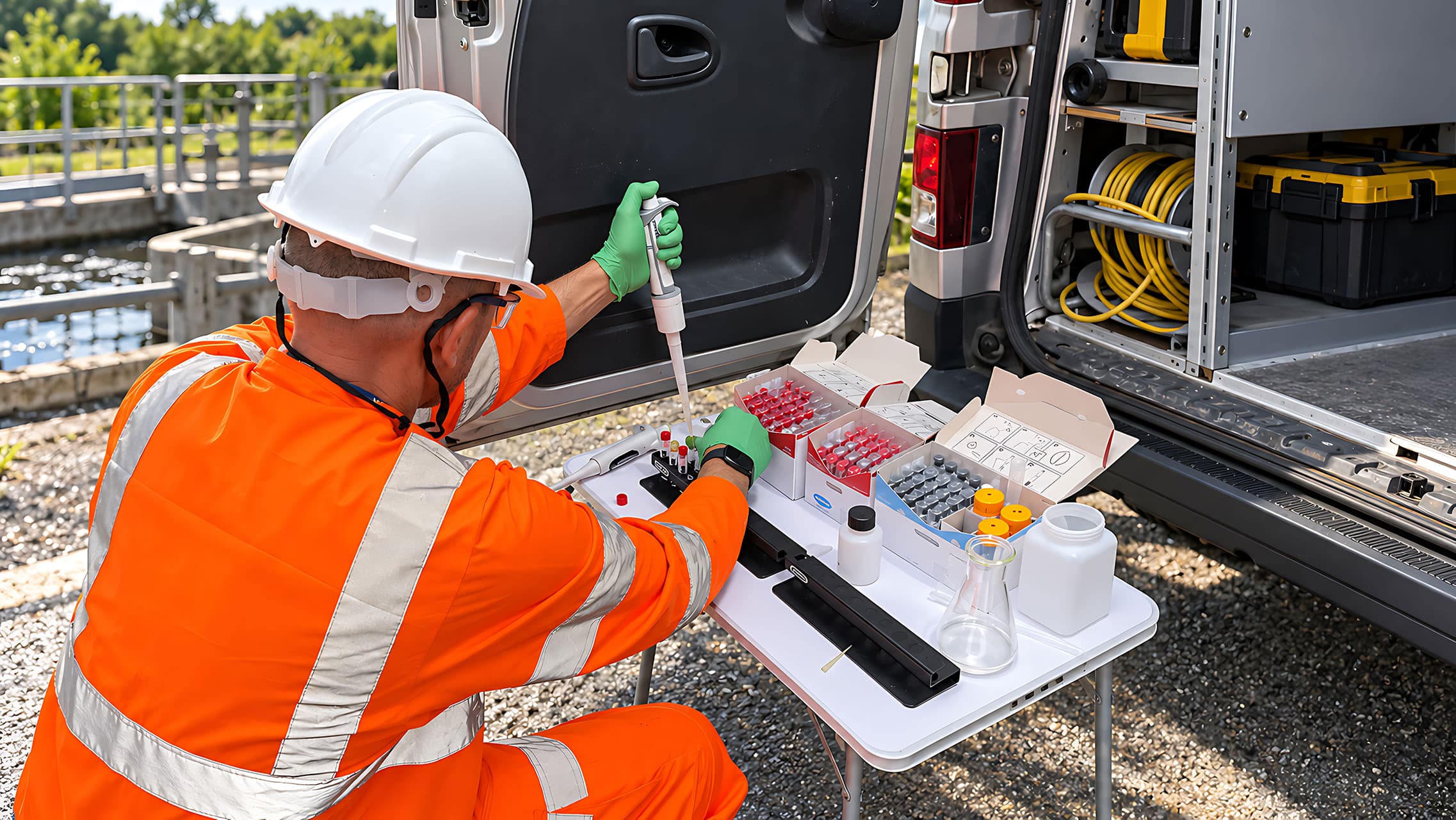
At a large wastewater works, calibrated sensors and fresh onsite checks followed a consistent pattern, while some transported nitrogen and COD results differed. A later comparison raised the same question: final-effluent results aligned, but active mixed-liquor results did not. BI-Zen combined process trends, duplicate onsite tests and accredited analysis to define a controlled next step before conflicting evidence influenced operational, design or investment decisions.
When a result conflicts with the wider process evidence, could sample fraction, preparation, preservation or elapsed time be influencing the comparison?
Calibrated online analysers, fresh duplicate checks and two accredited laboratory routes
Ammonia, nitrate, nitrite and COD across current and historic comparisons
Final effluent and active mixed liquor containing 4,760 mg/L suspended solids
Whole, settled or filtered sample; temperature, preservation and elapsed time
Final-effluent results aligned across routes. The active mixed-liquor comparison did not.
| Sample | Parameter | Fresh onsite | Laboratory route A | Laboratory route B |
|---|---|---|---|---|
| ASP outlet | NH4-N | 0.024 and 0.046 mg/L | 3.53 mg/L | 7.20 mg/L |
| ASP outlet | NO3-N | 44.46 mg/L | Not reported | 9.9 mg/L |
| ASP outlet | Total COD | Not tested | 1,030 mg/L | 3,180 mg/L |
| Final effluent | NH4-N | 0.015 mg/L | 0.040 mg/L | <0.55 mg/L |
| Final effluent | NO3-N | 32.86 mg/L | Not reported | 33.0 mg/L |
Understand why a result conflicted with the observed process and final-effluent response
The comparisons identified disagreement but did not isolate one cause
Unresolved sample effects could influence operational, design and investment conclusions
Rapid process evidence helps teams investigate whether a disagreement relates to the process, the sample route or the analytical comparison
Calibrated online analysers with routine sensor quality assurance (QC)
Fresh duplicate onsite photometric checks
Process trends aligned with sample collection and analysis timing
Sample route agreed with the receiving laboratory before mobilisation
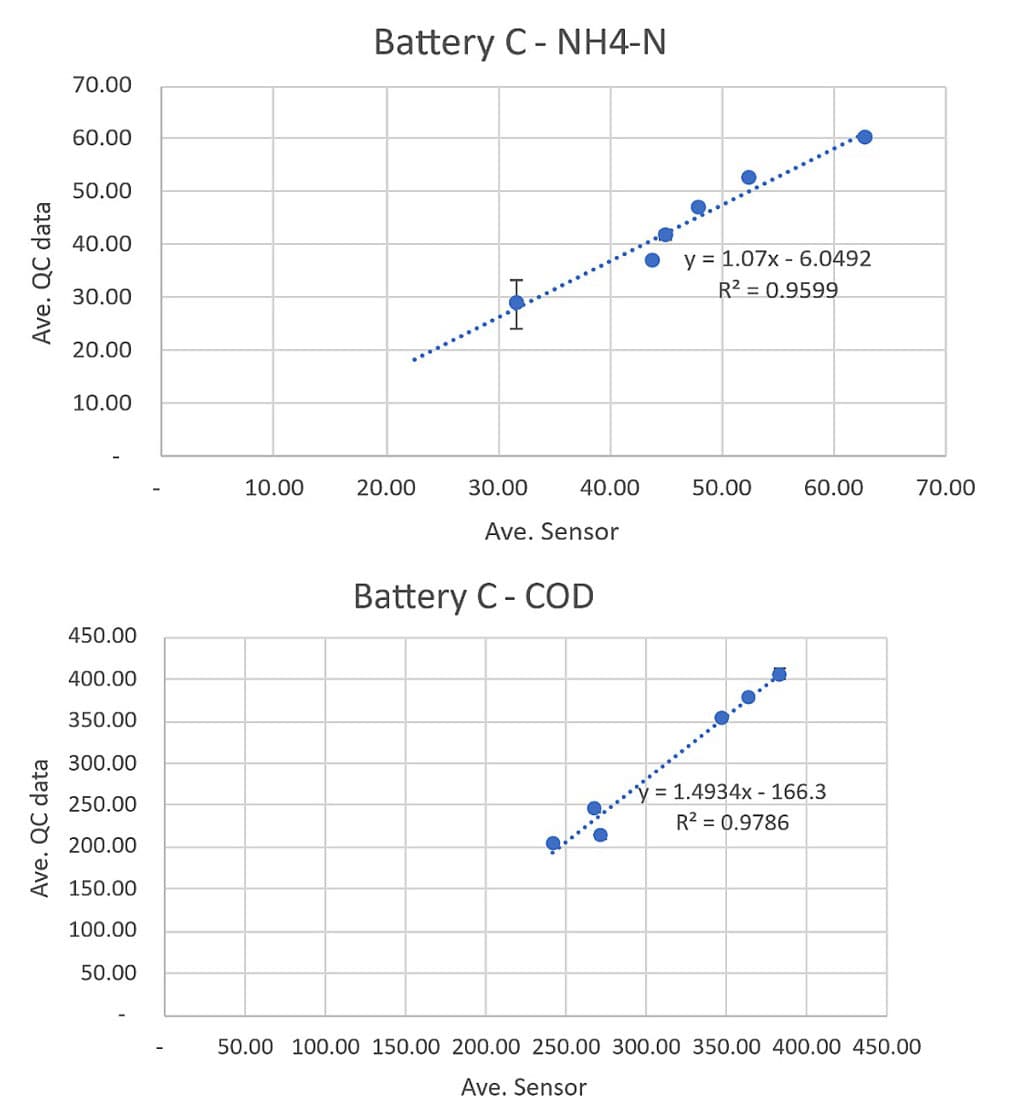
Historic work found strong agreement between calibrated sensors and fresh onsite COD and ammonia checks, while some transported results diverged. A later mixed-liquor comparison raised a similar nitrogen question. Recent internal checks suggest nitrate and nitrite may also change during short transport; the accredited comparison remains pending. These observations support controlled testing, not a conclusion about any laboratory.
Before sampling starts, agree with the receiving laboratory which sample fraction is required, how it should be prepared, the container, any preservation, target temperature and maximum holding time. For autosampler work, confirm that the equipment can maintain the agreed conditions. Online sensors and immediate onsite checks add time-resolved process context and can guide confirmatory sampling. Accredited analysis remains an important complementary route.