
Decision question
Could the existing SBR and nitrifying filters support the future duty, and what was driving intermittent solids and ammonia loading?

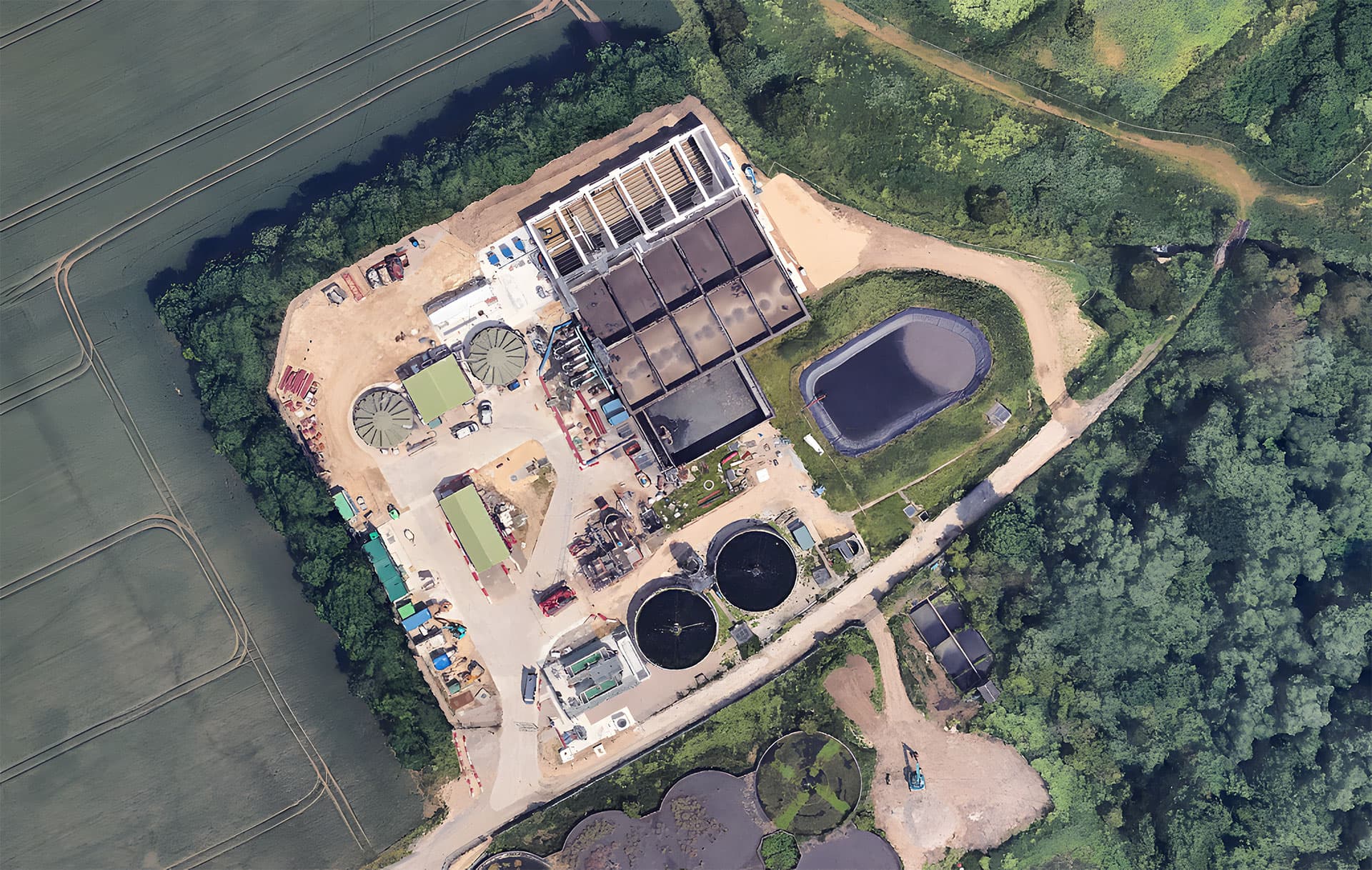
To inform site rationalisation and future design, BI-Zen monitored crude-sewage loading and SBR outlet performance. Live, high-frequency evidence captured repeated solids breakthrough during specific decant cycles and focused investigation on a sealing valve letting by. The team could address the maintenance issue before considering larger process or capital changes.
Could the existing SBR and nitrifying filters support the future duty, and what was driving intermittent solids and ammonia loading?
20,000 PE works preparing to decommission an adjacent treatment stream
Carbonaceous SBR followed by downstream nitrifying filters
Existing-asset assessment to inform rationalisation and future design options
Two temporary optimisers at the crude-sewage feed and SBR outlet
Inlet and outlet monitoring captured changing load, SBR cycle behaviour and the duty passed to the downstream nitrifying filters.
*incoming load
*SBR outlet performance and downstream filter loading
Inform closure of the adjacent works and define credible inputs for future design
Periodic sampling could not capture cycle-by-cycle SBR behaviour or intermittent solids breakthrough
A maintenance fault could be mistaken for inadequate process capacity and drive the wrong design response
Live inlet and outlet evidence distinguished SBR performance from a correctable mechanical issue
Two temporary optimisers at the SBR feed and outlet
COD, ammonia and turbidity, streamed through live dashboards
SBR operating and decant cycles, site flow and incoming load
Rapid mobilisation, data assurance and wastewater process interpretation
Repeated outlet COD and turbidity peaks evidenced MLSS breakthrough during individual decant cycles.
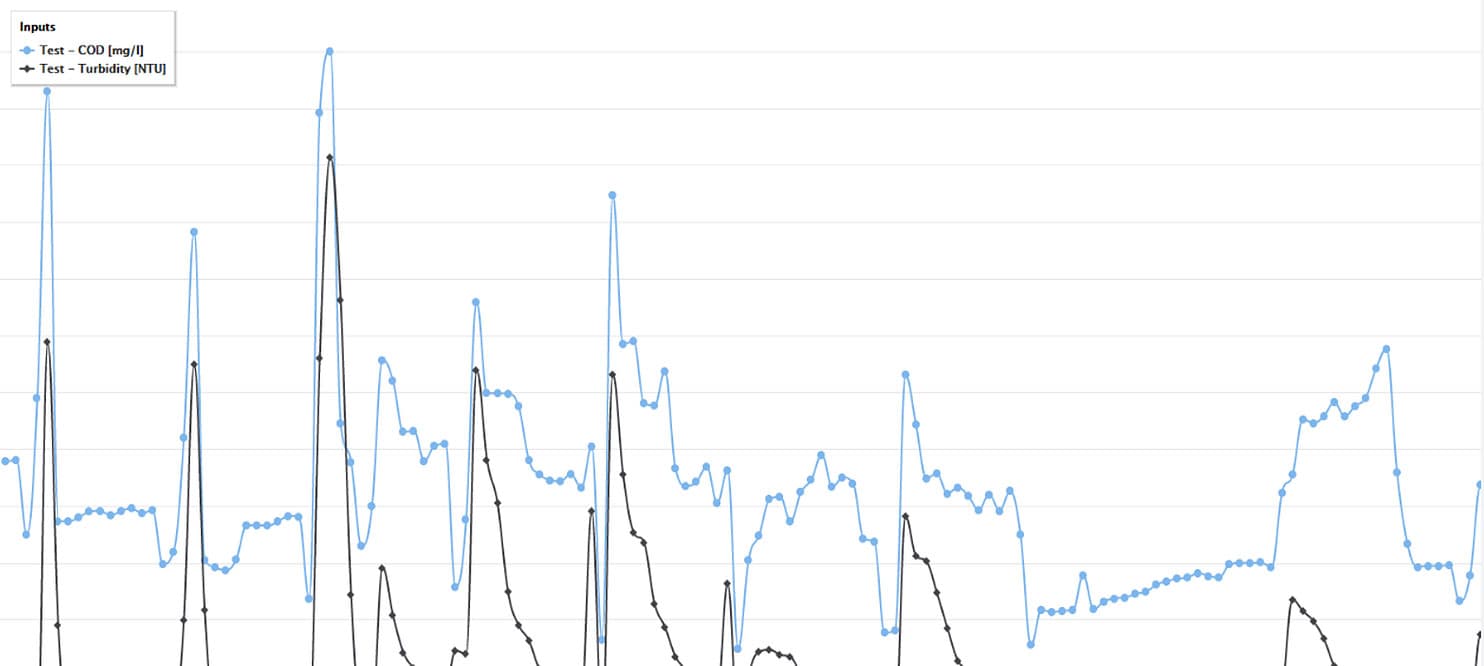
High-frequency outlet monitoring captured repeated COD and turbidity peaks that conventional sampling could easily miss. The events aligned with individual decant cycles, showing intermittent solids carryover rather than a continuous loss of biological treatment. Inlet and outlet profiles also clarified the variable load reaching the downstream nitrifying filters.
The evidence focused the immediate response on the decanter sealing valve and associated maintenance before larger process changes were considered. It also strengthened the assessment of SBR performance, downstream filter duty and future design options for site rationalisation.